
How to Extend Inverter Battery Life in Delhi NCR | Expert Tips
- Sandeep Lekhi
- Apr 22
- 4 min read

Inverter batteries are essential for uninterrupted power supply, especially in areas where electricity cuts are frequent. Proper care and maintenance of these batteries can extend their life and ensure they perform efficiently. I have gathered practical advice that will help you keep your inverter battery in top condition. Follow these steps to avoid unexpected failures and costly replacements.
Importance of Maintaining Inverter Batteries
Maintaining inverter batteries is crucial for their longevity and performance. Batteries that are not cared for properly tend to lose charge quickly and may fail prematurely. Regular maintenance helps in:
Preventing battery damage
Ensuring consistent power backup
Saving money on replacements
Improving overall inverter efficiency
Simple actions like cleaning terminals and checking water levels can make a big difference. Neglecting these can lead to corrosion, reduced capacity, and even battery failure.
Practical Steps for Maintaining Inverter Batteries
Here are some straightforward steps you can take to maintain your inverter battery effectively:
Keep the Battery Clean
Dirt and dust can cause the battery terminals to corrode. Use a dry cloth to wipe the battery surface regularly. Avoid using water or any liquid cleaners.
Check Water Levels Regularly
Most inverter batteries are lead-acid types that require water topping up. Check the water level every month. Use distilled water only, and never overfill.
Ensure Proper Charging
Overcharging or undercharging can damage the battery. Use a good quality charger and avoid leaving the battery on charge for too long.
Avoid Deep Discharges
Try not to let the battery discharge completely. Deep discharges reduce battery life significantly.
Keep the Battery in a Cool Place
Heat accelerates battery wear. Place the battery in a well-ventilated, cool area away from direct sunlight.
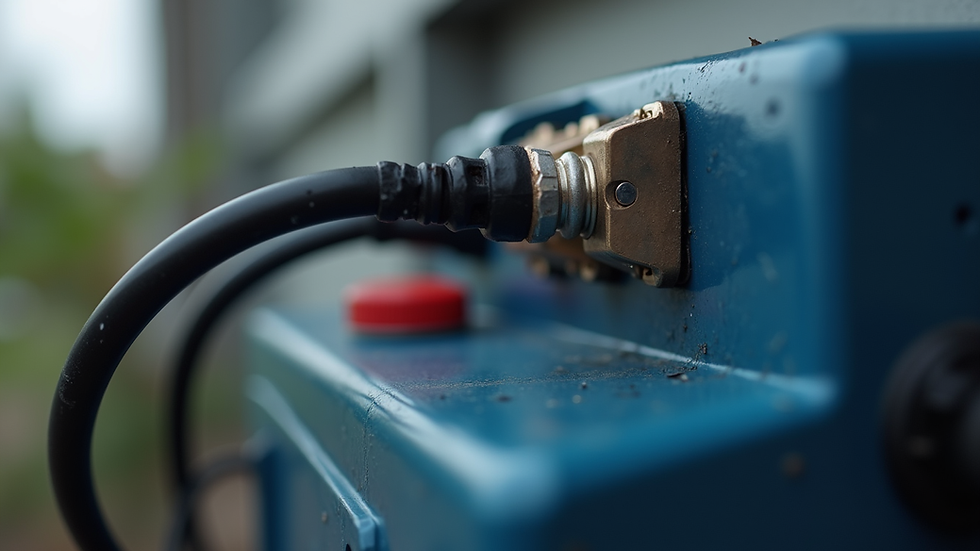
Tighten Loose Connections
Loose terminals can cause sparks and reduce efficiency. Check and tighten connections periodically.
Use the Battery Regularly
If the battery is unused for long periods, it may lose capacity. Use it regularly or charge it every few weeks.
Following these steps will help you avoid common problems and keep your inverter battery working well for years.
How can I improve the battery life of my inverter?
Improving the battery life of your inverter involves a combination of good habits and regular checks. Here are some tips I follow to get the most out of my inverter battery:
Avoid Overloading the Inverter
Do not connect appliances that exceed the inverter’s capacity. Overloading strains the battery and reduces its lifespan.
Use Energy-Efficient Appliances
Using devices that consume less power reduces the load on the battery.
Regularly Monitor Battery Voltage
Use a voltmeter to check the battery voltage. A healthy battery should have a voltage of around 12.6 volts when fully charged.
Perform Equalization Charges
Occasionally, perform an equalization charge to balance the cells and remove sulfate buildup. This should be done carefully and as per manufacturer instructions.
Replace Old Batteries Timely
Batteries have a limited life. If you notice reduced backup time or frequent charging needs, it might be time to replace the battery.
Keep the Battery Terminals Greased
Applying a thin layer of petroleum jelly on terminals prevents corrosion.
By following these tips, you can significantly extend the life of your inverter battery and avoid sudden power failures.

Signs Your Inverter Battery Needs Attention
It is important to recognize when your inverter battery needs maintenance or replacement. Watch out for these signs:
Reduced Backup Time
If your inverter provides less backup than before, the battery may be losing capacity.
Swollen Battery Case
A swollen or bloated battery case indicates internal damage and requires immediate replacement.
Frequent Charging Required
If you need to charge the battery more often, it is a sign of reduced efficiency.
Corroded Terminals
White or greenish deposits on terminals reduce conductivity and need cleaning.
Unusual Odours
A strong smell of acid or burning indicates leakage or overheating.
If you notice any of these signs, take action immediately to avoid complete battery failure.
Why Regular Maintenance Saves You Money
Regular maintenance of your inverter battery saves money in the long run. Here’s how:
Prevents Early Battery Replacement
Proper care extends battery life, reducing the frequency of costly replacements.
Reduces Repair Costs
Cleaning and tightening connections prevent damage to the inverter and battery.
Improves Energy Efficiency
A well-maintained battery uses power more efficiently, lowering electricity bills.
Avoids Emergency Situations
Regular checks help you avoid sudden power outages that can disrupt your daily routine.
Investing a little time in maintenance now can save you a lot of trouble and expense later.
Keeping Your Power Backup Reliable
Power backup is essential, especially in areas with frequent power cuts. Maintaining your inverter battery properly ensures you have reliable power when you need it most. Remember to:
Follow the simple maintenance steps regularly
Monitor battery health and performance
Use quality accessories and chargers
Store the battery in a suitable environment
If you want to learn more about inverter battery maintenance tips, check out trusted resources online. Staying informed helps you make better decisions about your power backup system.
By taking these steps, you can enjoy uninterrupted power supply and peace of mind.
Maintaining your inverter battery is not complicated. With regular care and attention, you can keep it running efficiently for years. Follow these tips, and you will avoid common problems and costly replacements. Reliable power backup is just a few simple steps away.
Comments